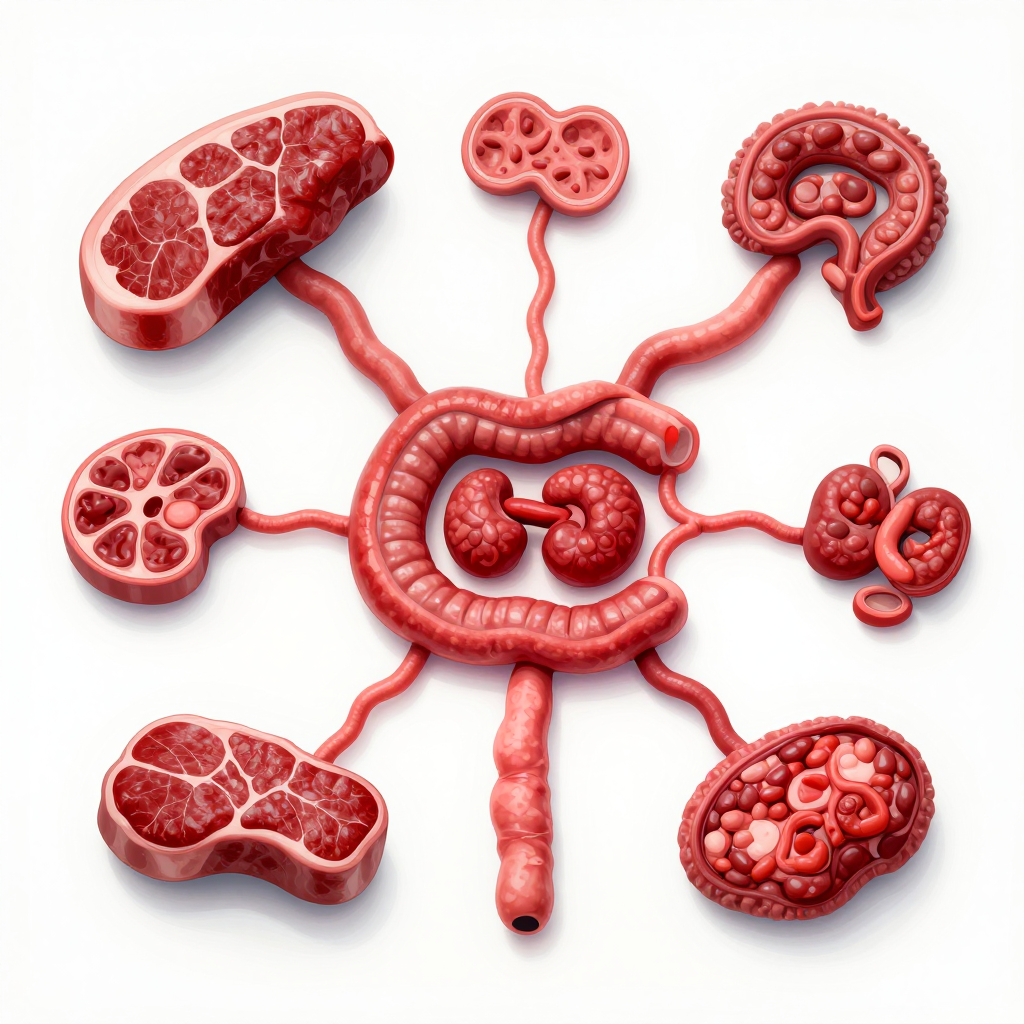
Red Meat and Colorectal Cancer Risk
Learn about the link between red meat and increased colorectal cancer risk.
The relationship between what we eat and long-term health is a topic that sparks endless debate, especially concerning popular foods like red meat. For years, the link between consuming red meat and an increased risk of colorectal cancer was a source of significant public health concern. However, as scientific understanding evolves, the narrative is shifting from simple causation to a more nuanced picture involving processing, type of meat, and overall dietary patterns. Understanding this evolving evidence is crucial for making informed, personal health choices today.
Recent research offers a more complex view than previous simplistic associations. While some older beliefs suggested a direct, strong link, newer studies focus heavily on the context of meat consumption—specifically differentiating between types of meat and the level of processing involved. For example, a randomized behavioral intervention trial found that diets incorporating meat-based options, especially when paired with nutrients like alpha-tocopherol, demonstrated associations with reduced biomarkers related to colorectal cancer risk (Nature, 2025-12-08). This suggests that the quality of the diet, rather than the mere presence of meat, plays a significant role. Furthermore, research highlights the distinction between different food categories; for instance, the impact of processed meats is often scrutinized separately from unprocessed red meat (UT MD Anderson, 2025-08-01). Some compelling evidence points toward vegetarian diets being associated with a substantially lower risk across various cancer types (The Guardian, 2026-02-27).
The mechanisms behind these findings often involve the components within the food. The processing methods used to prepare meat introduce compounds that can influence cellular health, and the components in ultra-processed meats carry their own set of concerns regarding cancer risk (A Healthier Michigan, 2026-03-10). When looking at the broader dietary landscape, patterns matter greatly; for instance, the general consumption of plant-rich foods appears protective against certain cancers (NewYork-Presbyterian, 2026-02-22). This body of work suggests that focusing on whole, minimally processed foods, and limiting highly processed options, may be more impactful than simply eliminating one food group entirely.
To navigate this information, consider these practical steps for improving your dietary health. Prioritize consuming a variety of plant-based foods, including fruits, vegetables, and legumes, as the foundation of your daily meals. Be mindful of the types of meat you choose, favoring leaner options and limiting the intake of highly processed meats. Focus on cooking methods that minimize added fats and processed ingredients to maximize the nutritional benefits of your food. Finally, aim for a balanced plate that emphasizes whole foods rather than focusing solely on the presence or absence of red meat.
While the current evidence strongly suggests that dietary patterns matter significantly, the precise, singular mechanism driving all these complex interactions in the human body remains an area of ongoing investigation.
Sources
- Does Red Meat Cause Cancer? Myth vs. Reality in Light of the Latest Evidence - Oncodaily — Oncodaily (2026-04-10)
- Effects of meat-based, meat-based with α-tocopherol, and pesco-vegetarian diets on biomarkers associated with colorectal cancer risk: a randomized behavioral intervention trial - Nature — Nature (2025-12-08)
- The Link Between Diet and Colorectal Cancer - NewYork-Presbyterian — NewYork-Presbyterian (2026-02-22)
- Processed meat and cancer: What you need to know - UT MD Anderson — UT MD Anderson (2025-08-01)
- The Hidden Costs of Convenience: Ultra-processed Meats and Colorectal Cancer - A Healthier Michigan — A Healthier Michigan (2026-03-10)
- Vegetarians have ‘substantially lower risk’ of five types of cancer - The Guardian — The Guardian (2026-02-27)
- Is Red Meat Good or Bad for Your Health? - Verywell Health — Verywell Health (2025-12-19)
- Study Highlights Dangers of Alcohol Use and Risk for Colorectal Cancer - Cleveland Clinic — Cleveland Clinic (2026-03-04)
- Cutting This One Food Could Drastically Reduce Your Cancer Risk, Mainly in the Colon - EatingWell — EatingWell (2025-08-17)
- Column | Does red meat cause cancer? Here’s what the science says. - The Washington Post — The Washington Post (2025-07-21)