Sleep Deprivation's Toll on Your Immune System
Learn how sleep deprivation weakens your immune system and how to improve your sleep for better health.
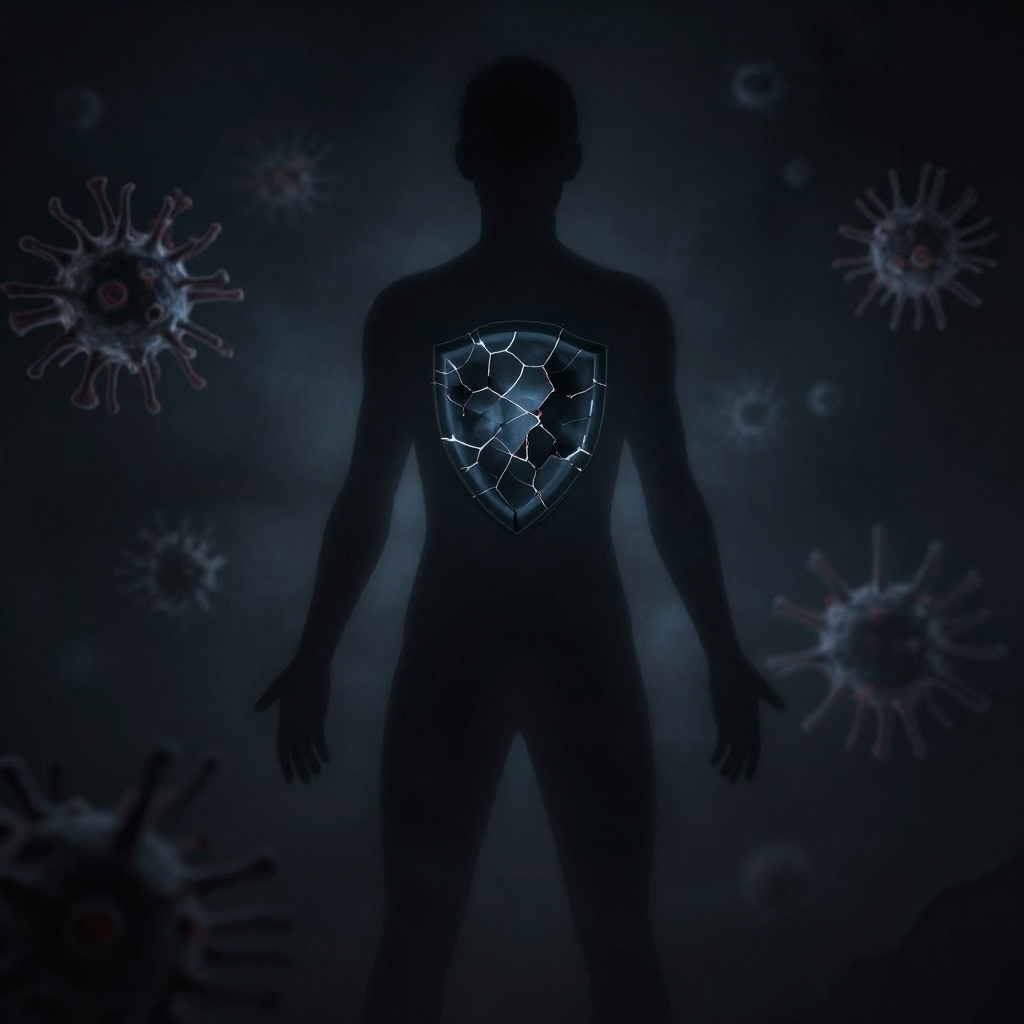
The simple act of sleeping is often viewed as a luxury rather than a fundamental necessity, but recent research is increasingly revealing a profound connection between our nightly rest and our body’s ability to fight off illness. As modern life moves at a relentless pace, the pressure to sacrifice sleep for productivity is immense, yet the evidence strongly suggests that sleep deprivation is not just tiring; it actively compromises our immune defenses. This is a crucial area of health and wellness that demands our immediate attention.
The connection between poor sleep and immune function is multifaceted and supported by emerging scientific findings. When we consistently experience inadequate sleep, the body’s ability to maintain a robust immune response is significantly diminished (Sleep Foundation, 2025-07-15). Sleep plays a critical role in regulating the production and activity of various immune cells and the release of crucial protective hormones. When sleep is cut short, the body struggles to execute these vital maintenance functions, making us more susceptible to infections (University of Rochester, 2026-04-01). Furthermore, the link extends beyond just physical illness; poor sleep is implicated in broader stress responses. Studies suggest that insomnia and anxiety, which often accompany sleep loss, are directly linked to a weaker overall immune system (Live Science, 2025-12-11). This suggests that the disruption in sleep triggers stress pathways that tax the immune system, making it less resilient.
The mechanism behind this relationship involves complex biological processes that are optimized during restorative sleep. Sleep allows the body to repair tissues, regulate inflammation, and clear out metabolic waste that builds up during wakefulness. The disruption of this cycle impacts internal systems that govern health. For instance, research into the interplay between sleep, metabolic processes, and aging highlights how sleep influences redox metabolism, which is key to cellular health and longevity (Frontiers, 2025-05-20). When this metabolic regulation is impaired by lack of sleep, the body’s overall defense mechanisms are compromised. Even a few nights of poor sleep can begin to cascade into more serious issues, illustrating that the cumulative effect of sleep debt impacts long-term health.
Understanding this connection offers tangible ways to improve our health. Prioritizing consistent, high-quality sleep is one of the most powerful, yet simplest, tools we have for supporting our immune health. Aim for a consistent sleep schedule, even on weekends, to help regulate your body’s natural rhythms. Establish a relaxing bedtime routine to signal to your body that it is time to wind down and prepare for deep rest. Finally, strive to create a dark, cool, and quiet sleep environment, as optimizing your bedroom for sleep quality directly supports the immune system’s ability to function optimally.
While we have compelling evidence detailing the negative impact of sleep deprivation on the immune system, we still continue to explore the precise, granular molecular pathways through which these effects are initiated and resolved in the human body.
Sources
- The Impact of Sleep Deprivation on Sickness Incidence Among College Freshmen: A Review - University of Rochester — University of Rochester (2026-04-01)
- Sleep & Immunity: Can a Lack of Sleep Make You Sick? - Sleep Foundation — Sleep Foundation (2025-07-15)
- How do a few nights of bad sleep become insomnia? - National Geographic — National Geographic (2026-03-18)
- Insomnia and anxiety come with a weaker immune system — a new study starts to unravel why - Live Science — Live Science (2025-12-11)
- Benefits of Sleep: Improved Energy, Mood, and Brain Health - Sleep Foundation — Sleep Foundation (2025-07-22)
- Unraveling the interplay between sleep, redox metabolism, and aging: implications for brain health and longevity - Frontiers — Frontiers (2025-05-20)
- Scientists link poor sleep to decreased chemotherapy response via the gut - News-Medical — News-Medical (2026-04-17)
- Anxiety and insomnia linked to reduced natural killer cell levels in young women - News-Medical — News-Medical (2025-12-10)
- Heart health: Exercise not enough to offset effects of poor sleep - Medical News Today — Medical News Today (2025-05-26)
- Anxiety and insomnia linked to sharp drops in key immune cells - ScienceDaily — ScienceDaily (2025-12-15)