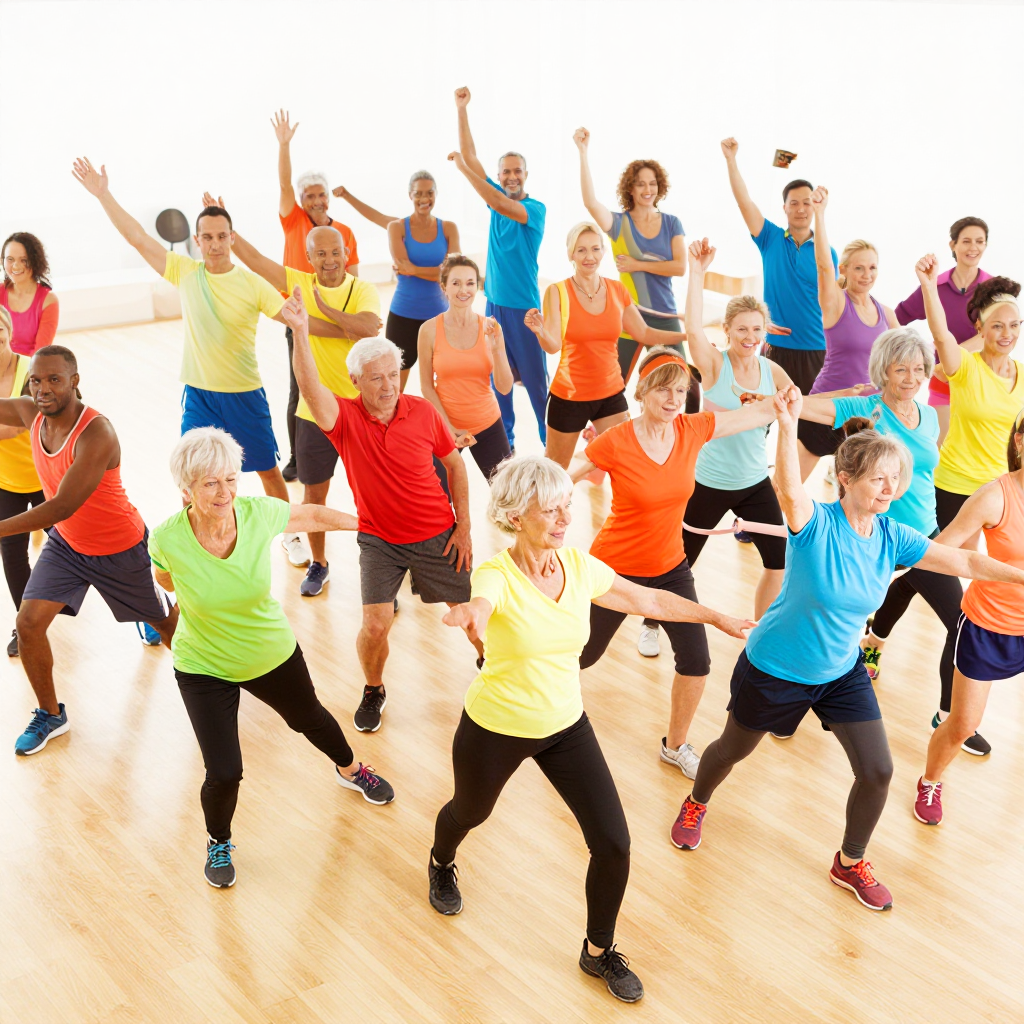
Strength Training for Every Age Group
Discover how strength training boosts health and well-being for all ages.
Strength training is no longer just a pursuit for athletes or those aiming for a specific aesthetic; it has emerged as a foundational pillar for maintaining health, vitality, and independence across every age group. As we navigate modern life, the focus has shifted from simply managing symptoms to actively building resilience against age-related decline, and nowhere is this more critical than through consistent strength training. Recent research consistently underscores the profound, multifaceted benefits that engaging in resistance exercise offers, impacting everything from bone density to mental well-being.
The evidence for the importance of strength training spans the entire lifespan, providing tangible benefits regardless of where you are in your journey. For individuals in their 40s and 50s, incorporating strength work is essential for longevity, as studies indicate that maintaining muscle mass helps counteract the natural metabolic slowdown that occurs with aging (Stanford Medicine, 2026-01-07). This is crucial because muscle mass directly supports metabolism and overall physical function. Furthermore, research suggests that physical activity, including strength training, acts as a powerful modulator for mental health; exercise has been identified as one of the most powerful treatments for managing conditions like depression and anxiety (ScienceDaily, 2026-02-13). The physical act of building strength releases endorphins and promotes neuroplasticity, positively influencing mood and reducing psychological stress.
Beyond mood and longevity, the structural and functional advantages of strength training are undeniable. Resistance exercises stimulate bone growth, which helps prevent osteoporosis and reduces the risk of fractures later in life (implied by focus on longevity research like Stanford Medicine, 2026-01-07). Additionally, regular physical activity, in general, is linked to numerous positive health outcomes, contributing to better cardiovascular health and improved metabolic function (Centers for Disease Control and Prevention | CDC (.gov), 2025-12-04). As we age, maintaining muscle mass directly combats sarcopenia, the age-related loss of muscle mass and strength, making strength training an active defense against frailty. Even in younger decades, establishing these habits early sets a strong foundation for sustained health, as emphasizing foundational physical habits in the 20s and 30s is recommended for long-term well-being (Stanford Medicine, 2026-01-07; Stanford Medicine, 2026-01-07).
Incorporating strength training into your routine is incredibly practical. Start by aiming for two to three full-body strength sessions per week to build consistent momentum. Focus on compound movements that engage multiple muscle groups simultaneously, such as squats, deadlifts, and push-ups, as these provide the greatest return on your time investment. Make sure to prioritize proper form over lifting heavy weights to ensure safety and maximize muscle engagement. Finally, aim to gradually increase the intensity or duration of your workouts as your strength improves, recognizing that steady, consistent effort is the key to long-term transformation.
While the benefits of strength training are extensively documented, the precise long-term impact of specific training protocols across every unique biological makeup remains an area that is still continually being explored by the scientific community.
Sources
- Five healthy habits for successfully aging in our 60s and 70s — and beyond - Stanford Medicine — Stanford Medicine (2026-01-07)
- Exercise may be one of the most powerful treatments for depression and anxiety - ScienceDaily — ScienceDaily (2026-02-13)
- Five healthy habits for longevity in your 40s and 50s - Stanford Medicine — Stanford Medicine (2026-01-07)
- The Ultimate Guide to Strength Training Over 50 - Everyday Health — Everyday Health (2025-08-28)
- Benefits of Physical Activity - Centers for Disease Control and Prevention | CDC (.gov) — Centers for Disease Control and Prevention | CDC (.gov) (2025-12-04)
- Five healthy habits to develop in your 20s and 30s - Stanford Medicine — Stanford Medicine (2026-01-07)
- Epidemiology and Cardiovascular Benefits of Physical Activity and Exercise | Circulation Research - American Heart Association Journals — American Heart Association Journals (2025-07-03)
- Weight training may protect the brain from cognitive decline - Harvard Health — Harvard Health (2025-07-01)
- HYROX: Benefits, risks, and more - Medical News Today — Medical News Today (2025-10-01)
- What Is Strength Training and Its Benefits? - Cleveland Clinic Health Essentials — Cleveland Clinic Health Essentials (2025-07-03)